The science

About Stem Cells

Stem cells are the body's natural repair system. They renew tissue, calm inflammation, and help the body recover from injury and ageing. But their numbers fall sharply with time. Here's a clear look at what they are, how they're sourced, and how they're used in regenerative medicine.

The basics

The body's repair cells

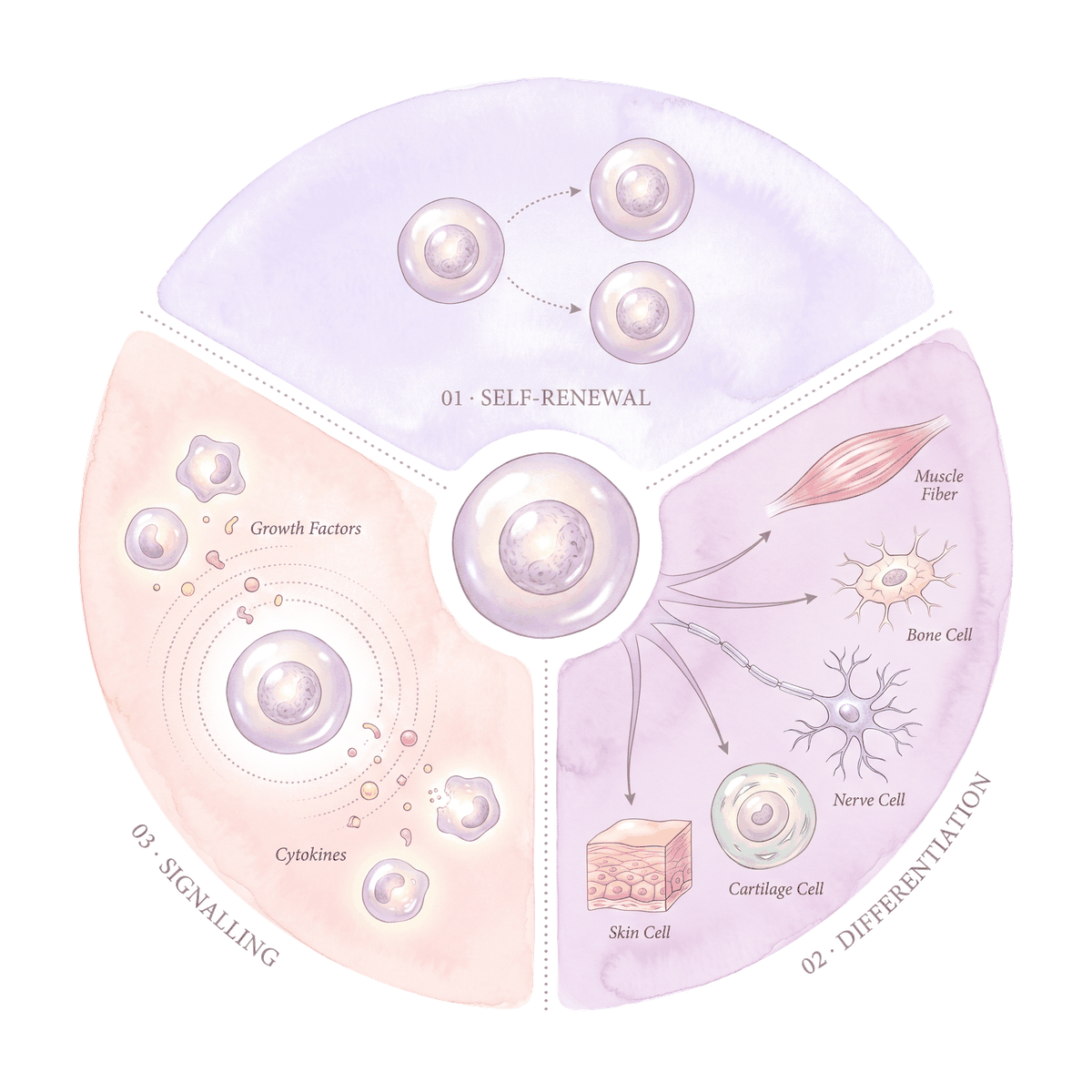
Unlike specialised cells that perform a single role, stem cells stay flexible. They have three properties that make them uniquely valuable in regenerative medicine.

Tri-segment infographic showing the three core properties of stem cells: self-renewal, differentiation, and signalling, illustrated as a circular pie chart
01 · Self-renewal

One cell becomes many

Stem cells divide and produce more stem cells, sustaining a population of repair cells throughout the body's life.

02 · Differentiation

Becoming what's needed

They can develop into specialised cell types: cartilage, bone, muscle, nerve, skin, and more, depending on what the tissue needs.

03 · Signalling

The healing message

They release growth factors and cytokines that calm inflammation and prompt nearby cells to repair, often the most powerful effect therapeutically.

Two sources

Where stem cells come from

Therapy uses one of two sources. Both deliver mesenchymal stem cells, the type most studied for regenerative medicine. The choice depends on timeline, availability, and the condition being treated.

Your own cells

Autologous

Harvested from your body, cultivated, then returned
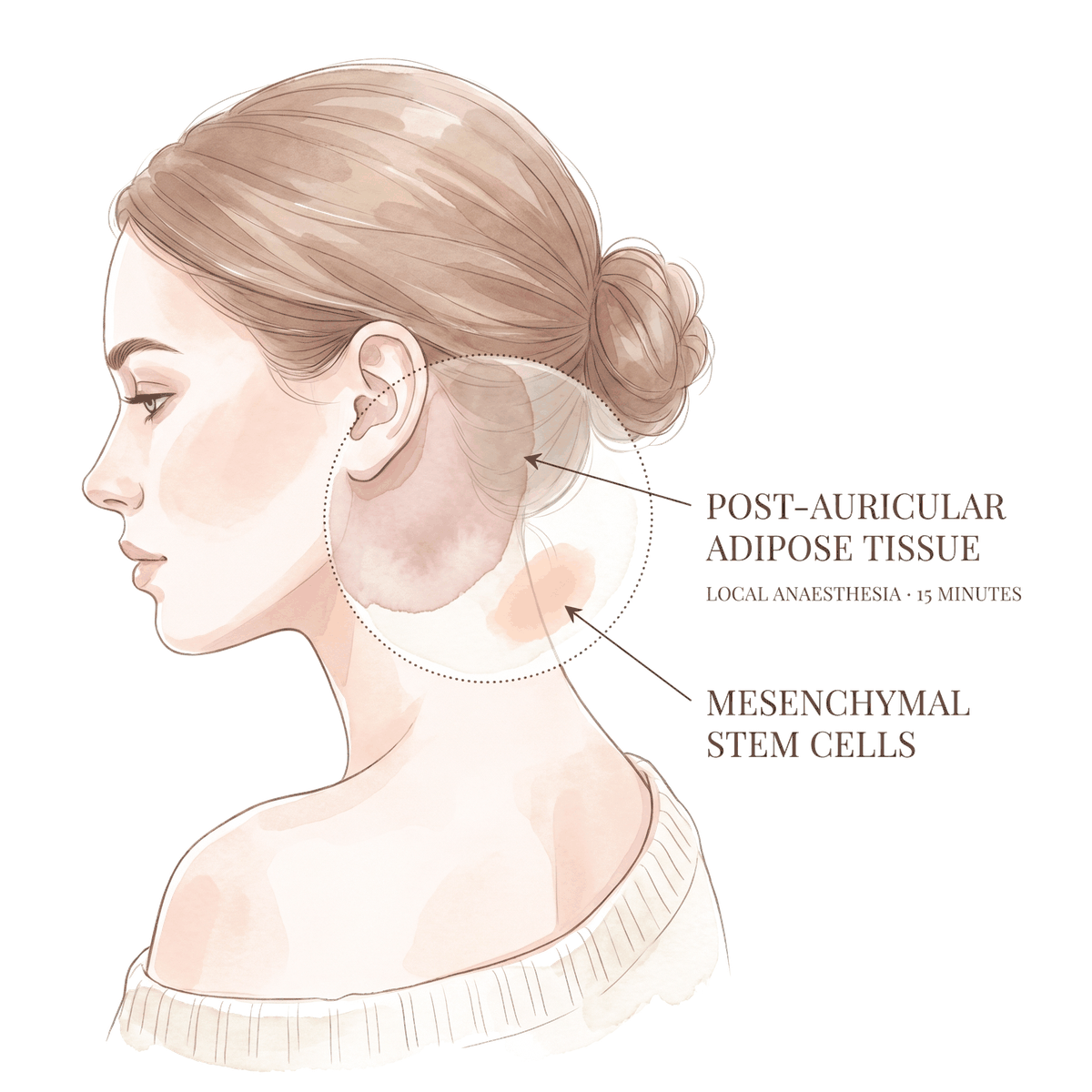
Illustration of post-auricular adipose tissue harvest site for autologous stem cell therapy

A small sample of adipose (fat) tissue is collected under local anaesthesia. The procedure takes around 15 minutes and is generally painless. The harvested cells are cultured for at least one month before being infused back during a follow-up visit.

Harvest time

~15 minutes

Culture period

~1 month

Visits required

Two trips

Rejection risk

None
Meet our Tokyo partner clinic
Donor cells

Allogeneic

From the umbilical cord of a healthy newborn

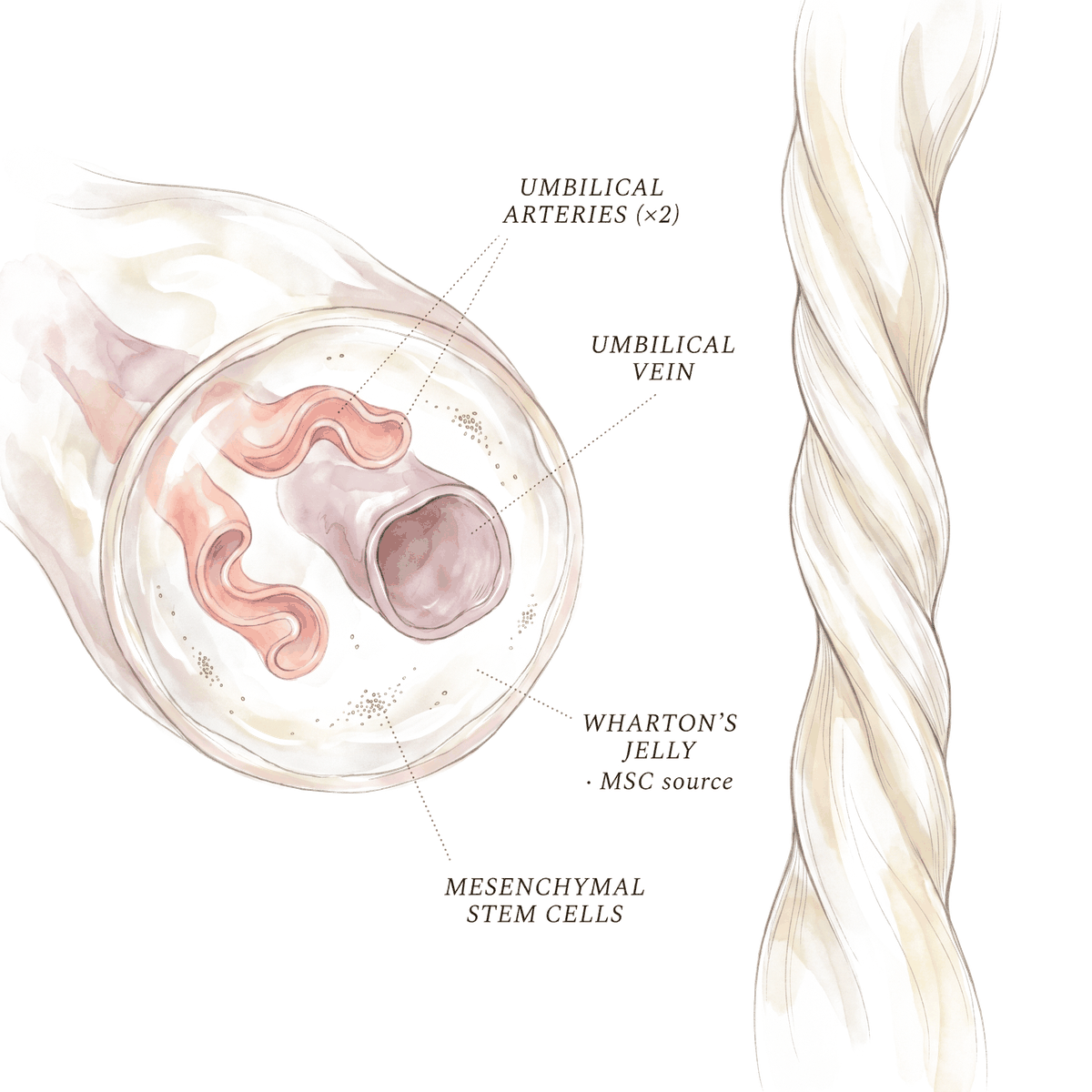
Cross-section illustration of umbilical cord showing Wharton's jelly, vein, arteries, and mesenchymal stem cells

Cells are collected from the Wharton's jelly of a newborn's umbilical cord, then cultured under strict protocols and stored cryogenically at -195°C. They are immediately available, with consistent, standardised potency and no waiting period.

Harvest time

Pre-collected

Wait period

None

Visits required

One trip

Cell potency

Standardised

Applications

How Stem Cell therapy can help you

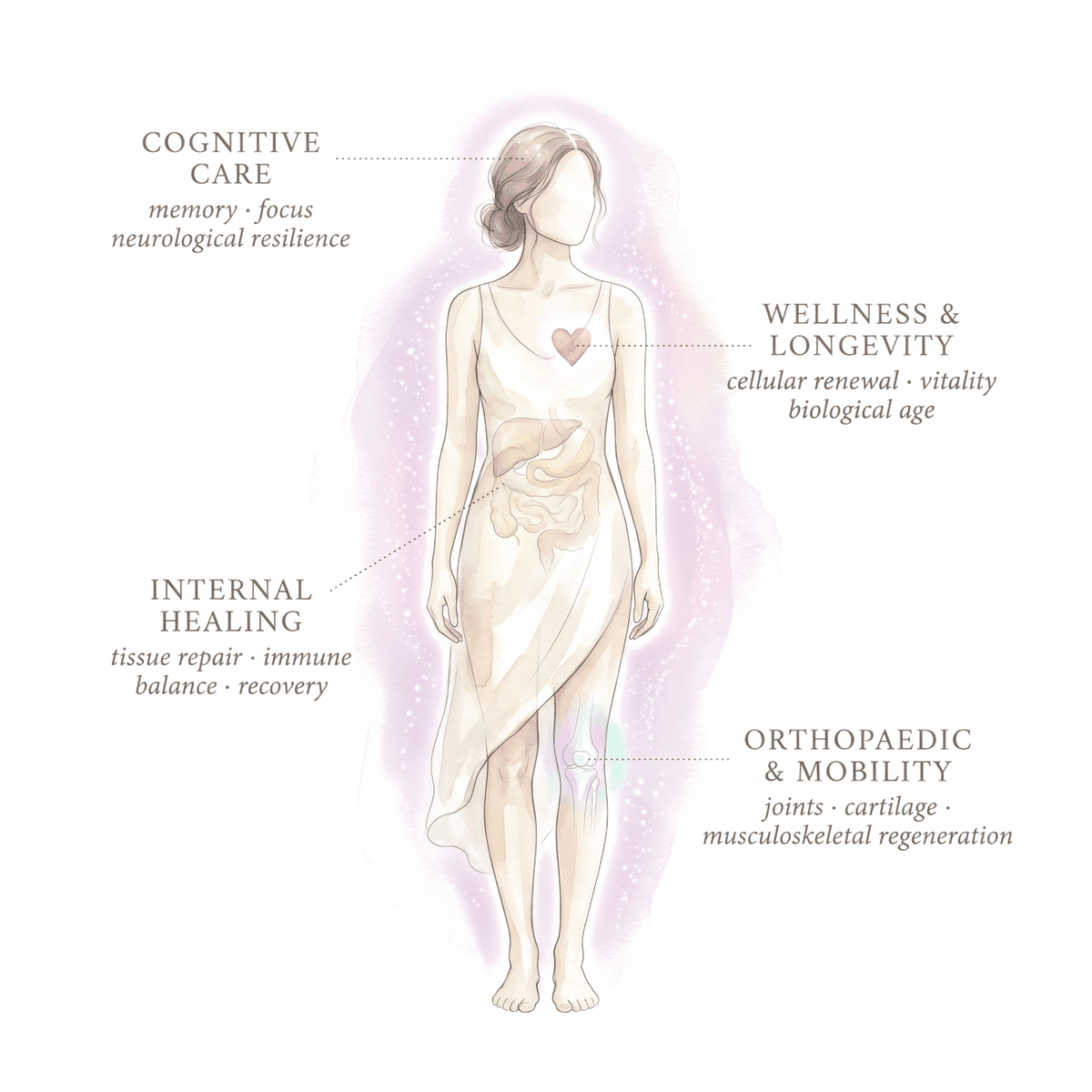
From cellular vitality to joint mobility, regenerative medicine is being explored as a way to support your body's own repair systems across four key areas.

Editorial anatomy illustration showing four areas where stem cell therapy is studied: cognitive care (head), wellness and longevity (heart), internal healing (torso), and orthopaedic and mobility (joints)

Stem cell therapy continues to be studied across these areas and is not a guaranteed cure for any condition. Outcomes vary from person to person, and benefits may be partial, gradual, or not realised at all. Suitability, realistic expectations, and any potential risks are reviewed openly with you during a specialist consultation before treatment is considered.

The journey

From consultation to infusion

Each source follows a different path. Autologous involves two visits across roughly a month. Allogeneic is completed in a single day.

Autologous Path

Clinic Location: Tokyo, Japan

1

Health screening

A comprehensive review of medical history and current health to confirm suitability.

2

Specialist consultation

Consult with a regenerative medicine specialist to review your eligibility and clear any doubts.

Japan
3

Cell harvest

A 15-minute adipose tissue collection under local anaesthesia at the partner clinic in Tokyo.

4

Cultivation

Cells are cultured in a GMP-compliant laboratory until the target quantity is reached.

Japan
5

Infusion

Within a 5-year window from harvest, return for the IV infusion. One month's notice is required to schedule.

Allogeneic Path

Clinic Location: KL, Malaysia

1

Health screening

Medical history review and pre-treatment assessment by the partner clinic team.

2

Specialist consultation

One-on-one with a regenerative medicine specialist to confirm the protocol on arrival.

Malaysia
3

Single-day infusion

Pre-cultured umbilical cord cells are administered the same day. Most travellers fly home within 24 hours.

See our partner clinics

Safety

Standards we hold to

Therapy is only as safe as the laboratory and clinic behind it. Our partners are selected against the same criteria, regardless of source.

GMP-compliant labs

Cell cultivation in laboratories meeting Current Good Manufacturing Practice standards.

Licensed physicians

Procedures performed by board-certified doctors at government-accredited clinics.

Verified potency

Independent cell counts and viability testing before every infusion.

Curious if it's right for you?

Speak with our concierge team. We'll walk you through the science, the sources, and which path makes sense for your goals.